01
Rebozo techniques
Hands-on mentorship that passes rebozo skill from an experienced doula to a practising colleague: biomechanics, the doula’s own ergonomics, and work in pregnancy, labour, and postpartum.
- Format
- Recorded course. Your own pace, access stays
- Who it is for
- Doulas with a solid biomechanics base who want specific techniques in their hands and a deep placement of the body.
What's included
Philosophy, safety, and ergonomics
- Where the rebozo comes from, and respect for the tradition of the cloth
- Length, weave, and density, and grips that spare the hands: the lock, and a wrap around the forearm
- Body weight, not the back: archer stance, pelvic support, core and legs, a neutral spine through long vibrations
- Calibrating contact, matching the breath, and the living-tension test
Pregnancy
- Manteada on knees and elbows, to ease the round ligaments
- Gentle traction of the sacrum and the lumbar area
- Sifting for the pelvic floor and the iliopsoas
- Centring the pelvis and making space for the baby’s position
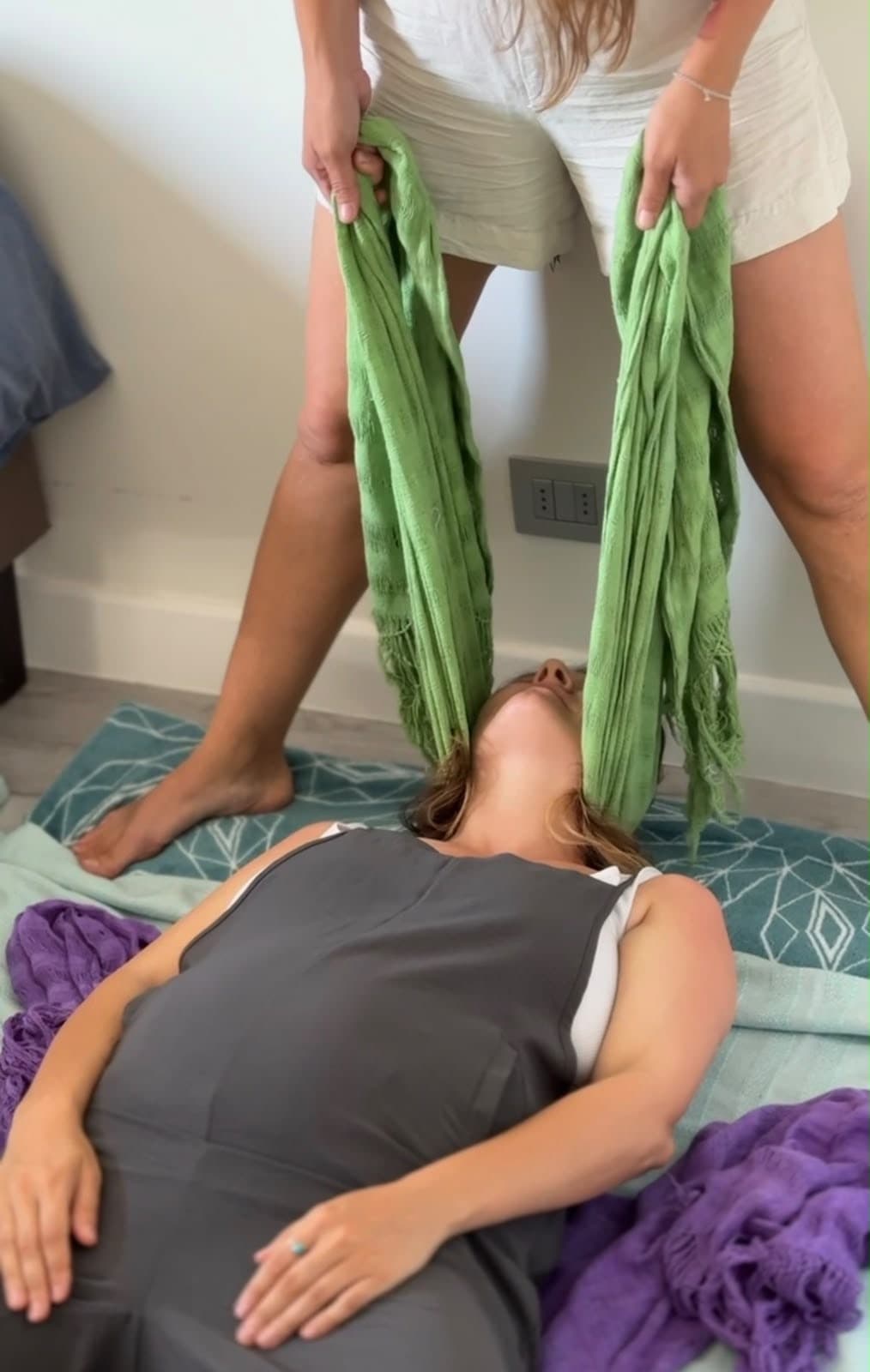
- A cradle for the head and neck, and a soft rock of the shoulder girdle
Labour
- Inlet: asymmetric rocking, standing and with a birth ball or the partner
- Mid-pelvis: side-lying release in the cloth for asynclitism or a posterior baby
- Outlet: ischial tuberosities and sacroiliac joints in a deep squat, rebozo under the chest
- Double hip squeeze and sacral vibration
- Hanging her weight in the cloth, and work on all fours, including with the pelvis raised
- A short briefing for the partner: lumbar relief and a simple rock
Postpartum
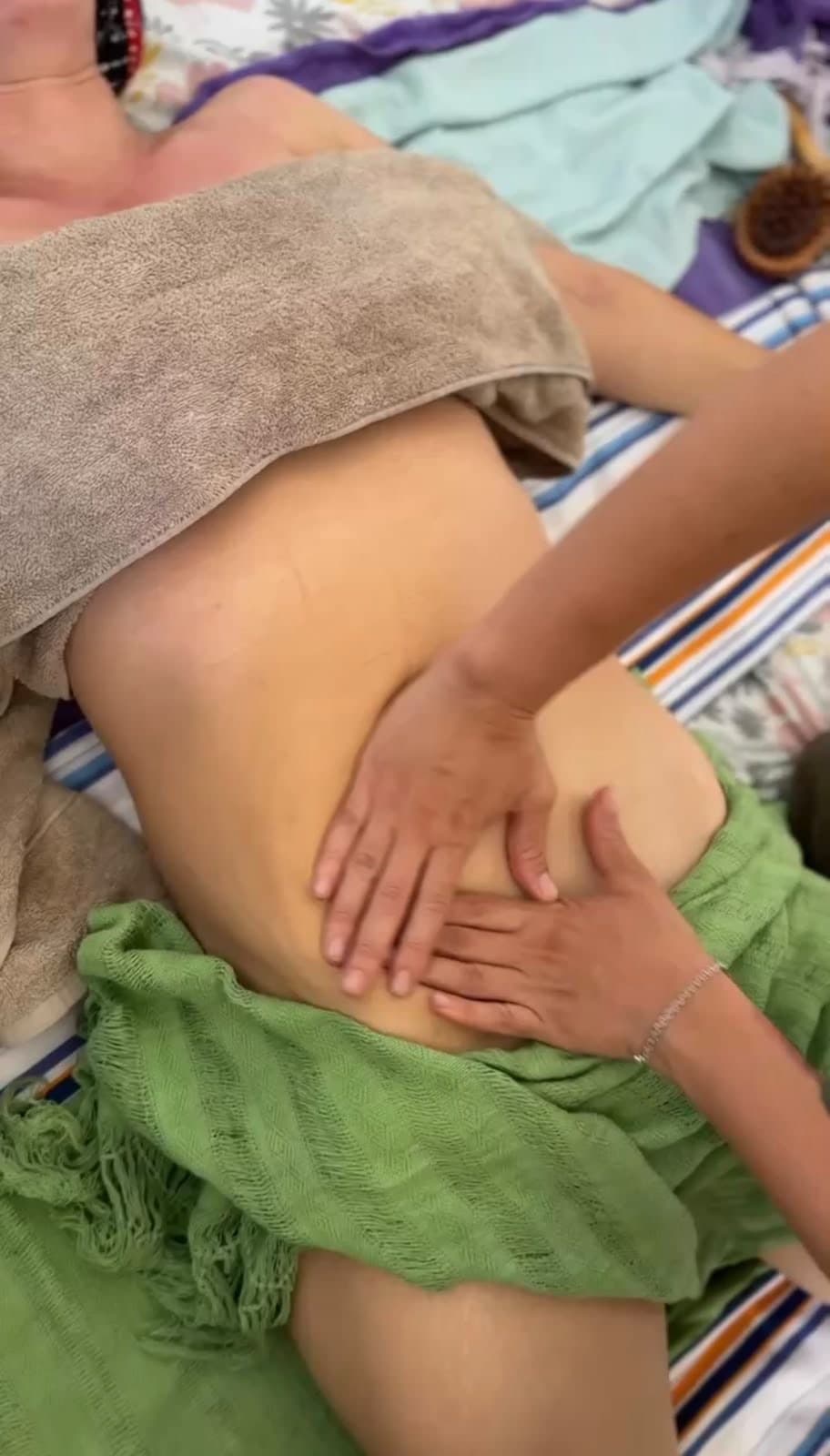
- Bengkung: intra-abdominal pressure and the position of the pelvic organs
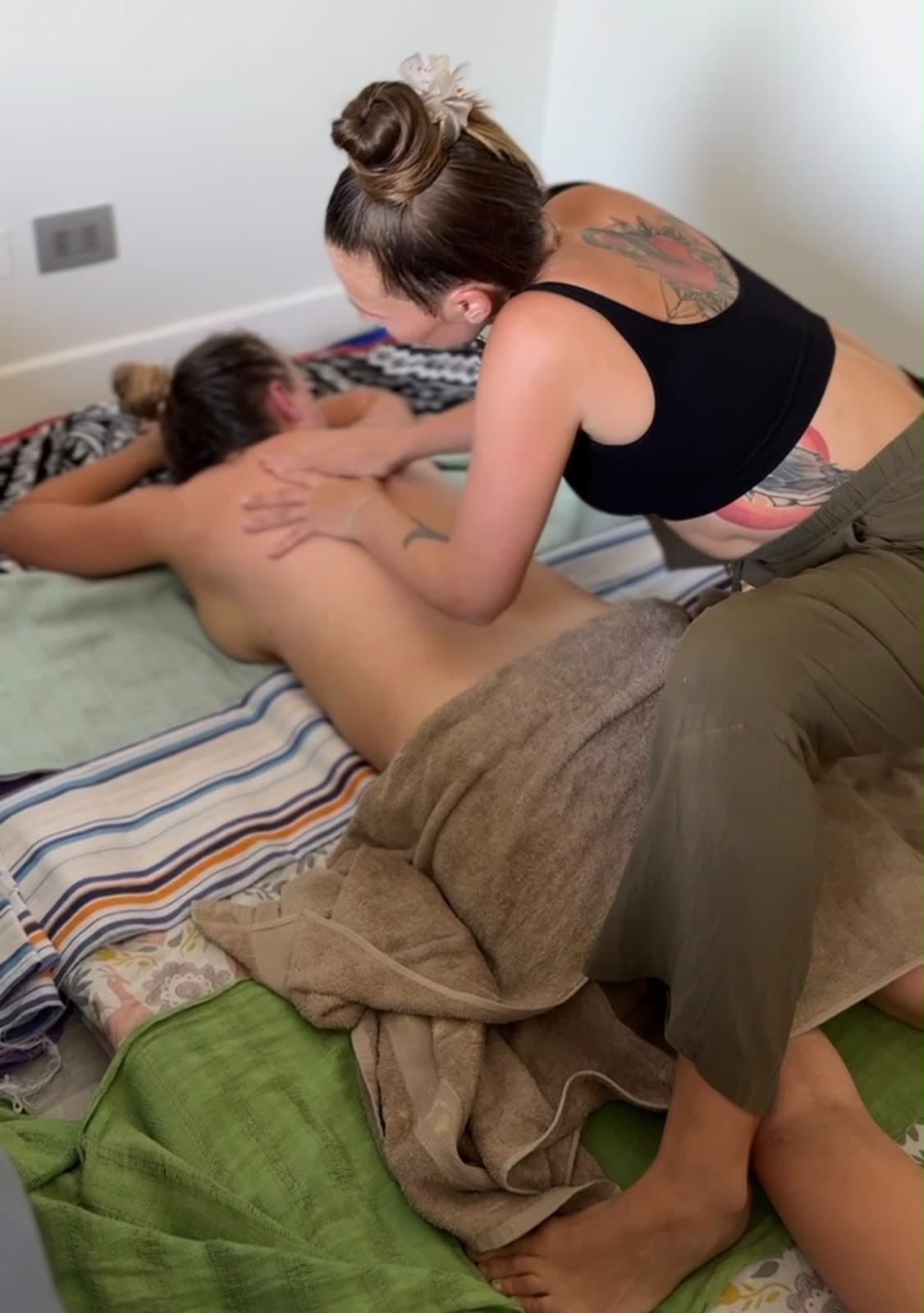
- Release of shoulders, neck, and thorax after feeding
- Closing the birth at seven points: head, shoulders, ribs, pelvis, thighs, shins, and feet
A full rebozo practice
- The full practice, in order
Starter kit
- A checklist of oils
- A checklist of rebozo cloths
- A checklist of extra tools for a full practice
What you will be able to do
- Five minutes of continuous sifting without loading the lower back
- Sacral traction without compressing the belly
- A quick shift of the cloth from belly to pelvis as she moves from standing to the floor
- A smooth exit from traction, without dropping her weight
Limits
- Threatened placental abruption
- Bleeding
- Acute pain of unclear origin
- An immature placenta if the traction is sharp
Light
$350 USD
≈ $347,000 CLP · ≈ 28,900 RUBStandard · Usual choice
$550 USD
≈ $546,000 CLP · ≈ 45,400 RUBMentorship
$750 USD
≈ $744,000 CLP · ≈ 61,900 RUB